Cape York for First-Timers: Notes From the Track
Dust, creek crossings and beach camps at the top of Australia. What a first Cape York trip teaches you about your rig and yourself.
Cape York sits on a lot of bucket lists, and most of them stay in the drawer for years. The distance feels huge, the tracks have a reputation, and the gear list looks endless.
Here is the honest version: it is a big trip, but it is a very doable one if you take it a day at a time. These are the notes we would give a friend before they went.
Give it more time than you think
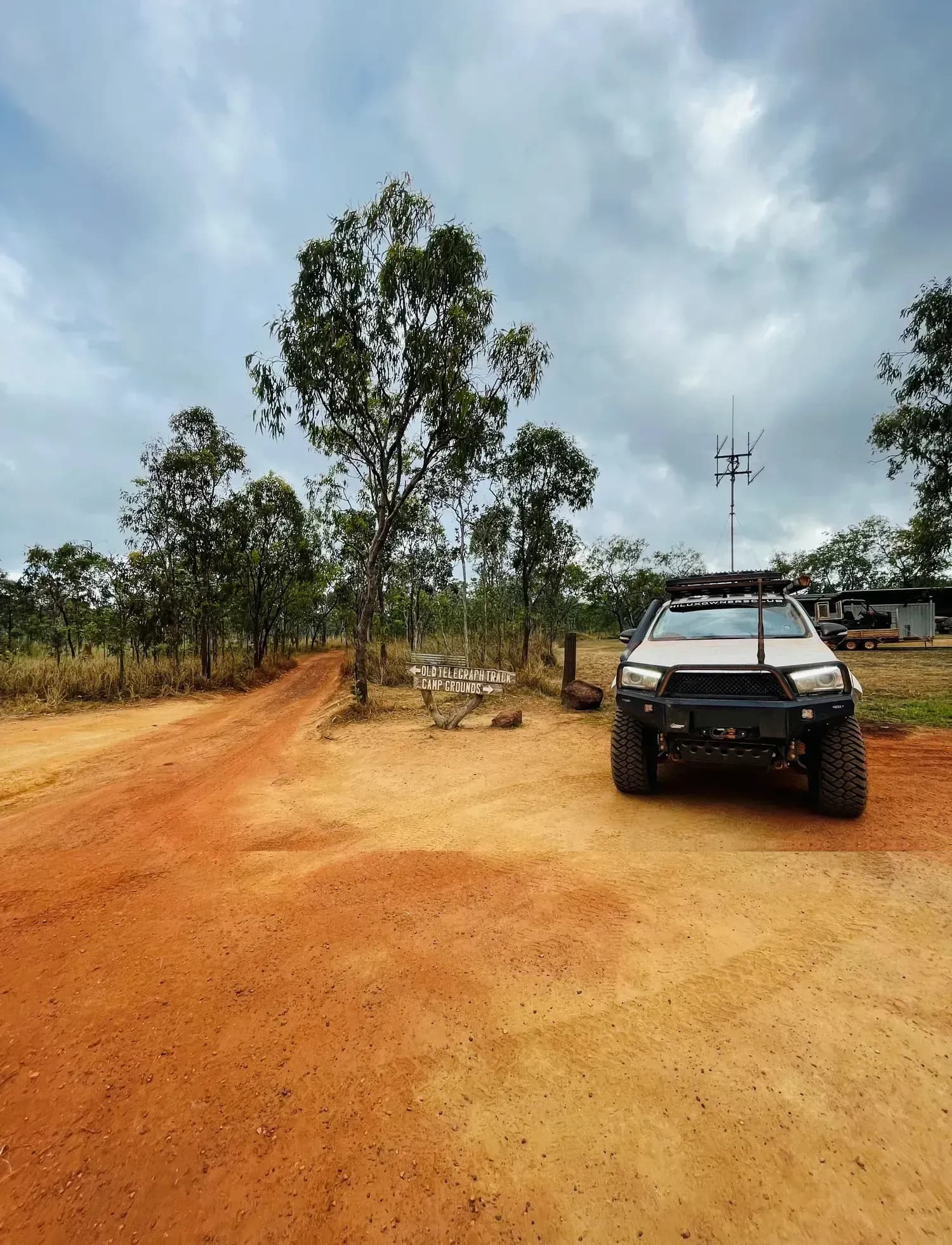
Every first-timer underestimates the time. The best parts of the Cape are the ones you did not plan: the side track that looked interesting, the camp you decided to stay at for a second night.
Build slack into the itinerary. A rushed Cape trip is mostly driving. A relaxed one is mostly living.
Know your rig before the track does
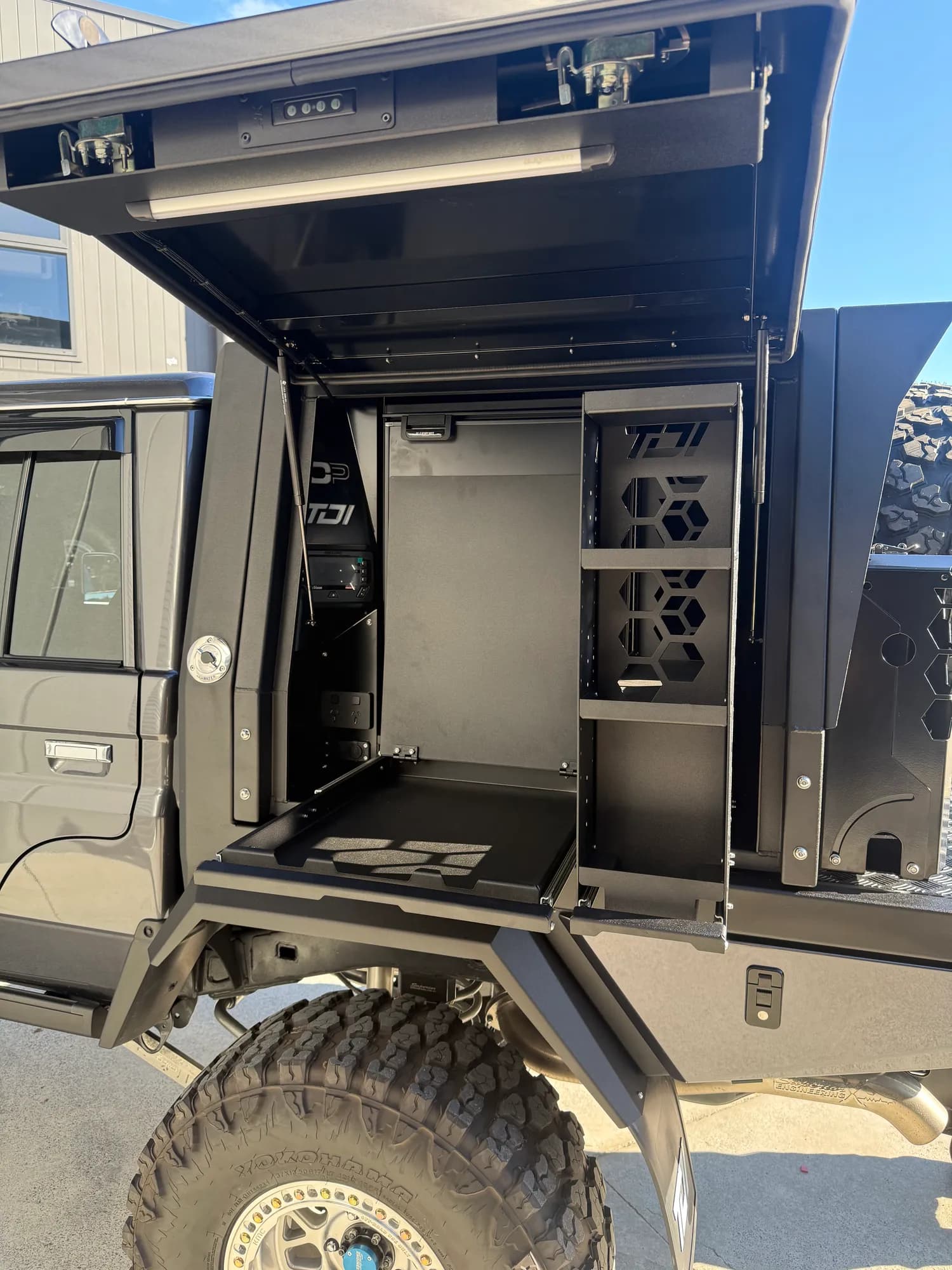
The track will find every weakness in your setup. That is not a warning, it is a reason to do a few shakedown weekends first. Load the rig the way it will be loaded on the trip, and drive it somewhere rough.
- Tyres matched to the terrain, with a proper spare and the tools to change it
- Suspension that copes with a full load, not just an empty tray
- Fuel range worked out with a buffer, and a plan for the longer stretches
- Recovery gear you have actually practised using
- Fridge, water and power set up so you are not hunting for things at dusk
Creek crossings: patience over bravado
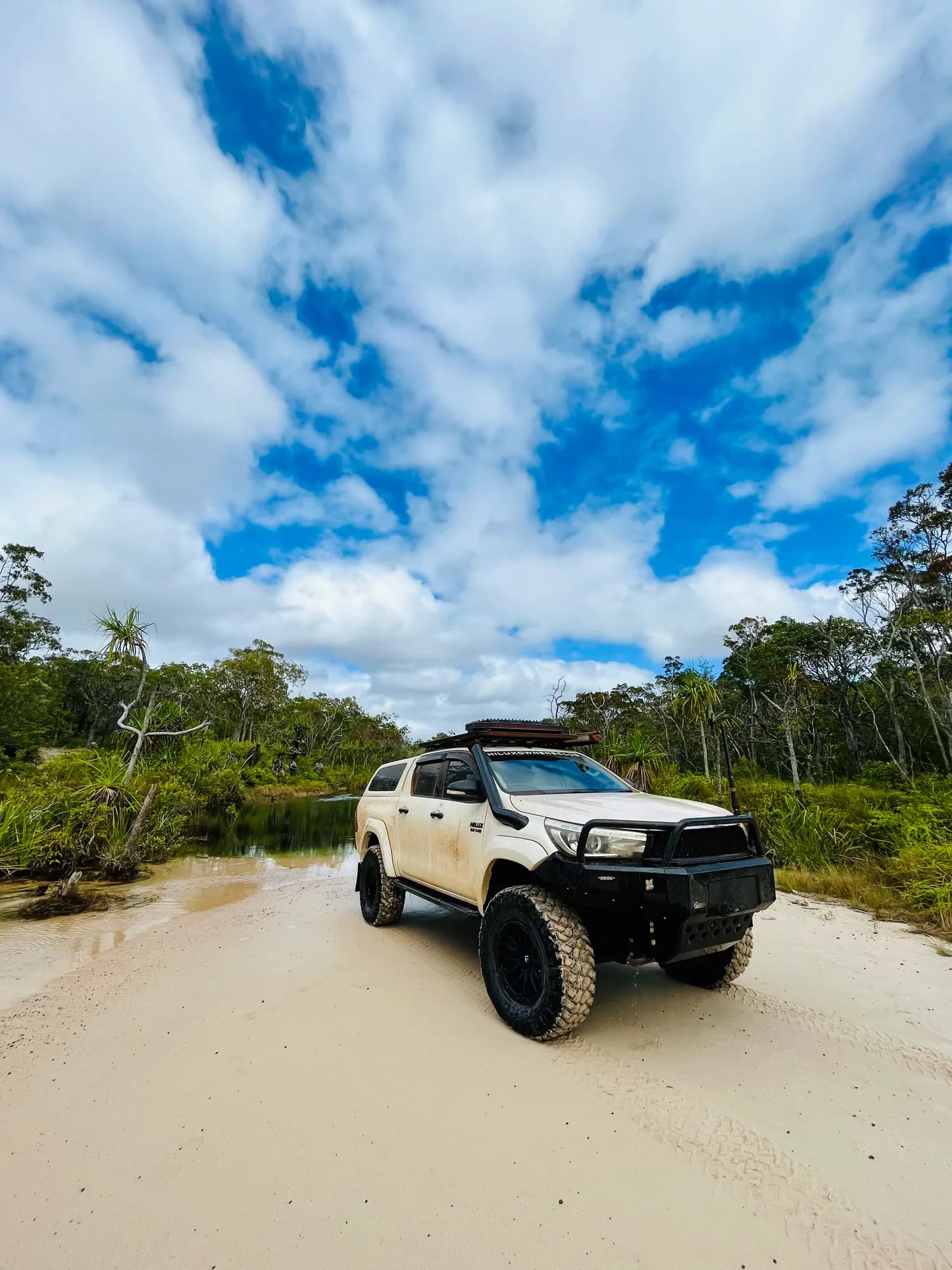
Crossings are the part of the Cape that gets all the attention. Most are far less dramatic than the stories suggest, and the ones that look hard usually reward a bit of patience.
Get out and look. Check the depth, the bottom, the exit. Talk it through with your group. If a crossing does not feel right, it is fine to wait, or to find another way. Nobody ever regretted being careful at a creek.
The camps are the reward
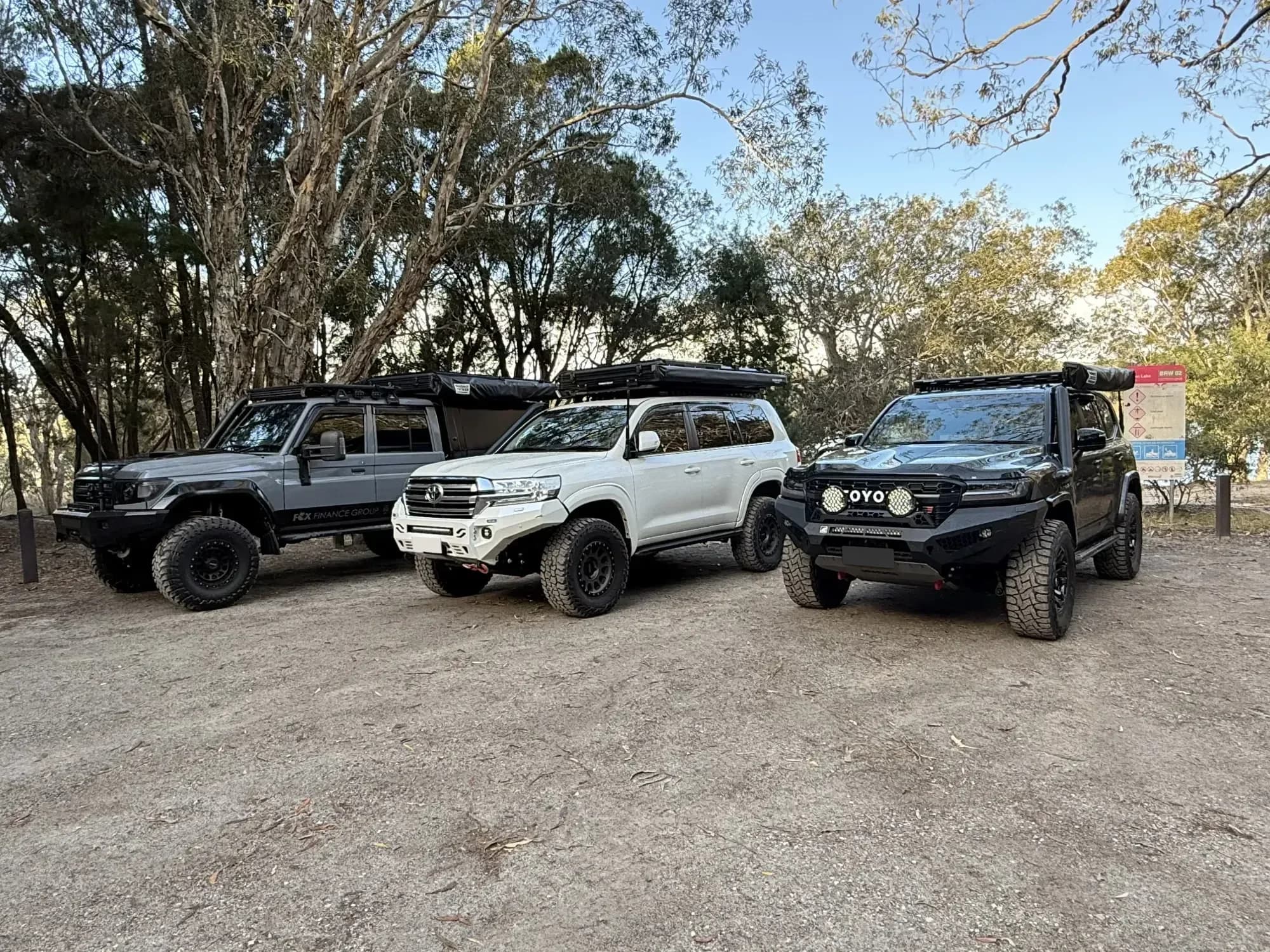
After days of dust, the beach camps hit differently. Wide white sand, a line of rigs parked side by side, and the quiet that comes when the engines stop.
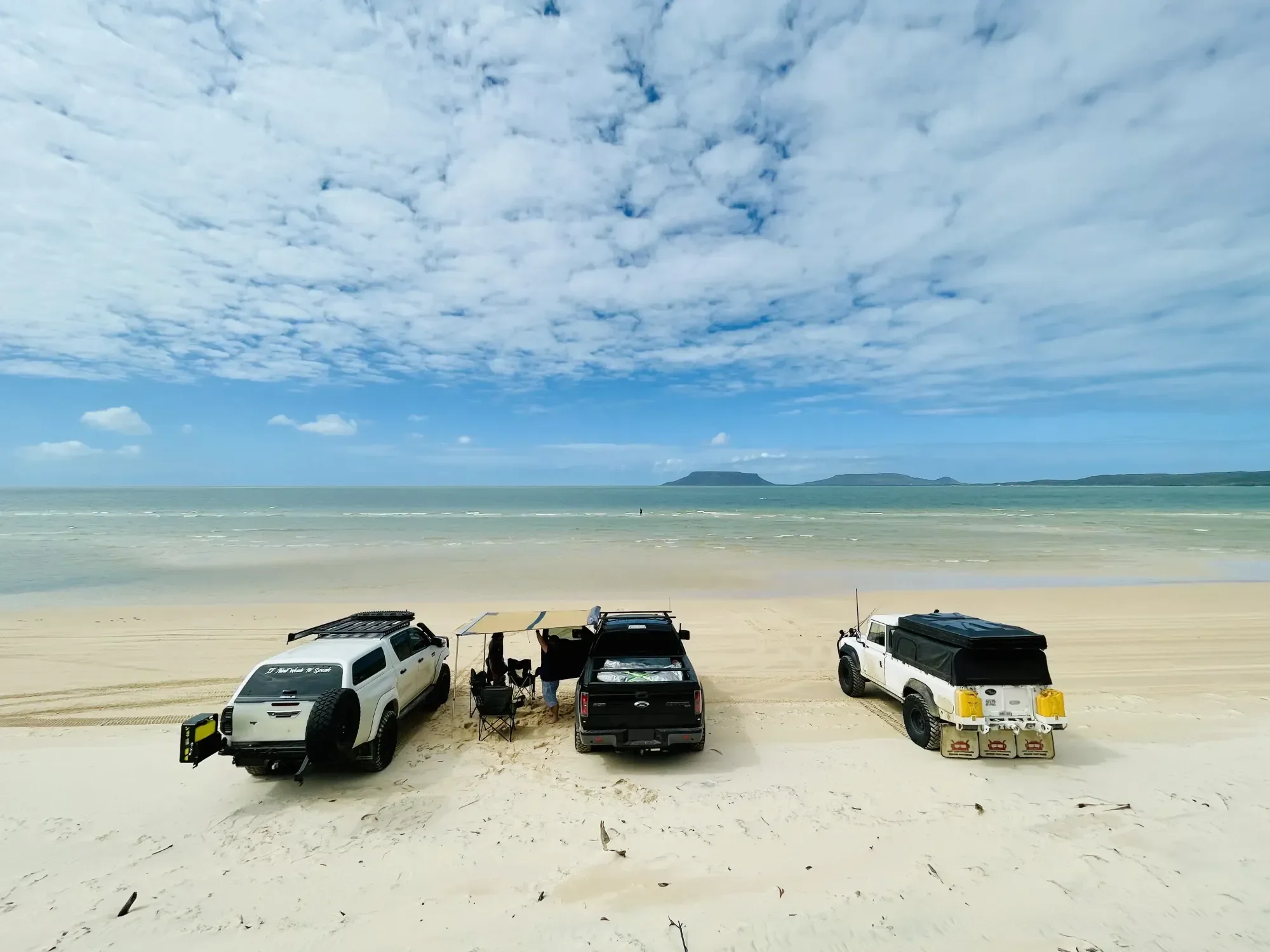
This is where the trip turns from a drive into a holiday. Swim, fish, cook something decent, and let the day finish itself.
People remember the destination. They talk about the camps.
From the team
Looking after the country
The Cape is Country with a long history and real people who live there. Respect the signs, stay on the tracks, take your rubbish with you, and leave gates as you found them.
So, when do you go?
There is never a perfect time, only a time you commit to. Set a date, start the shakedown trips, and sort the setup in stages. If the rig needs work before the Cape, finance is one way to get it ready without pushing the trip back another year.
Then it is just a long road north, a lot of red dust, and the best camps you will ever sleep at.
One last note for first-timers: pack your patience along with your recovery gear. Things will run late, a track will be rougher than the map suggested, and someone will want to stop for the fifth photo of the same sunset. Say yes to all of it. The slow parts of the Cape are the parts that stay with you, long after the dust has been washed off the rig.